 (Image via
Choosing a secure and fulfilling line of work isn’t always easy. So many people grow up thinking a four-year college is the only way forward, but that belief is fading quickly. Opportunities in 2025 look completely different compared to past years. Careers that focus on skilled labor are on the rise, promising great pay and job stability that many traditional careers can’t compete with. Companies everywhere are looking for individuals who can problem-solve and work with both their minds and their hands. There’s no need to take on huge student loans to live comfortably. We will spotlight five practical abilities that can weather any economic storm. These paths lead straight to financial independence and lasting peace of mind.
The Great Shift in the Workforce
A big change is underway in today’s workforce. Many experienced professionals are heading into retirement, which is opening up more opportunities than ever before. This large gap means that, for each newcomer entering these fields, there are several roles just waiting to be filled. As a result, businesses are eager to attract new talent, leading to better pay and attractive benefits for those willing to step up.
Advancements in technology are reshaping these careers every year. Skills now go far beyond physical work; you might use the latest diagnostic equipment, interact with digital systems, or focus on environmentally friendly solutions. Success in these areas comes from combining hands-on ability with critical thinking. Take a look at which specialties can help you thrive and stay in demand for years to come.
1. Electricians: Powering the Green Revolution
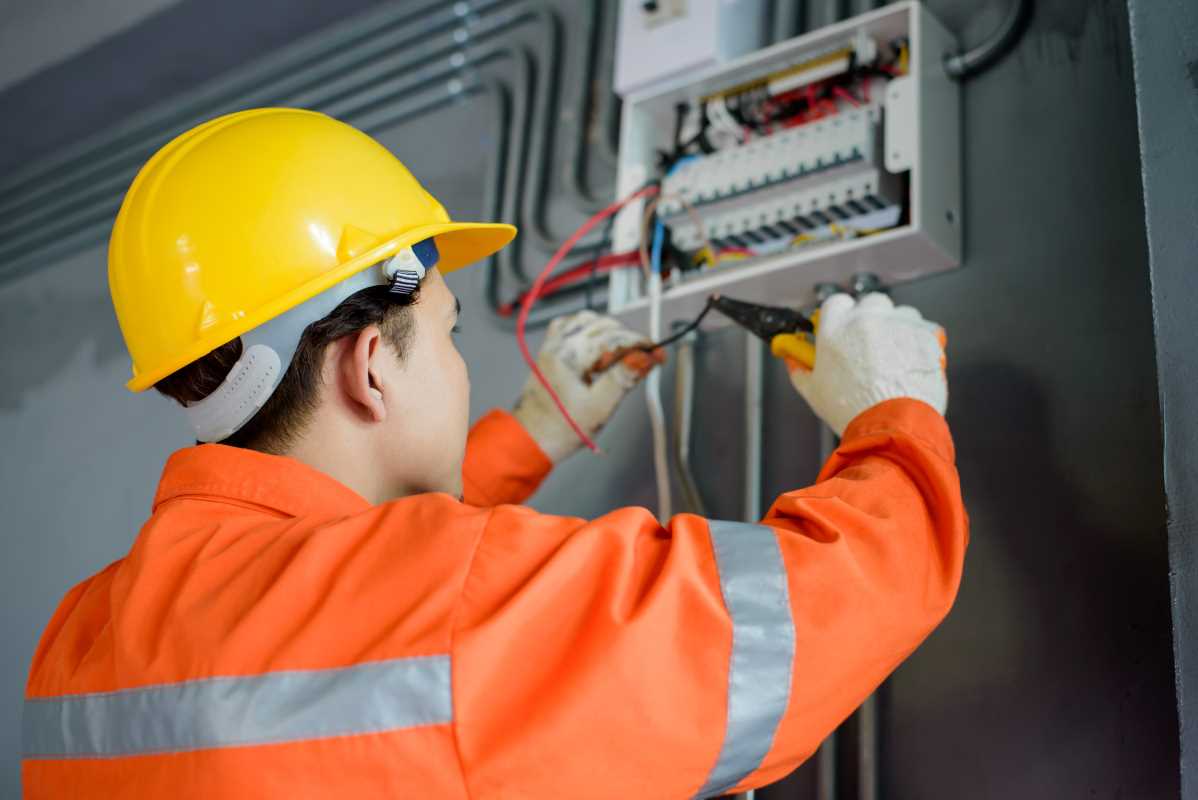
Electricians do far more than just wire up buildings or fix power outages these days. The role has transformed along with our fast-changing world. Thanks to advances such as renewable power and energy-efficient designs, this field is charged with new opportunities. Solar panels, smart systems, and advanced components all need skilled hands to keep them running smoothly. This change is making the electrician’s path one of the most dynamic and important in today’s workforce.
The EV and Solar Boom
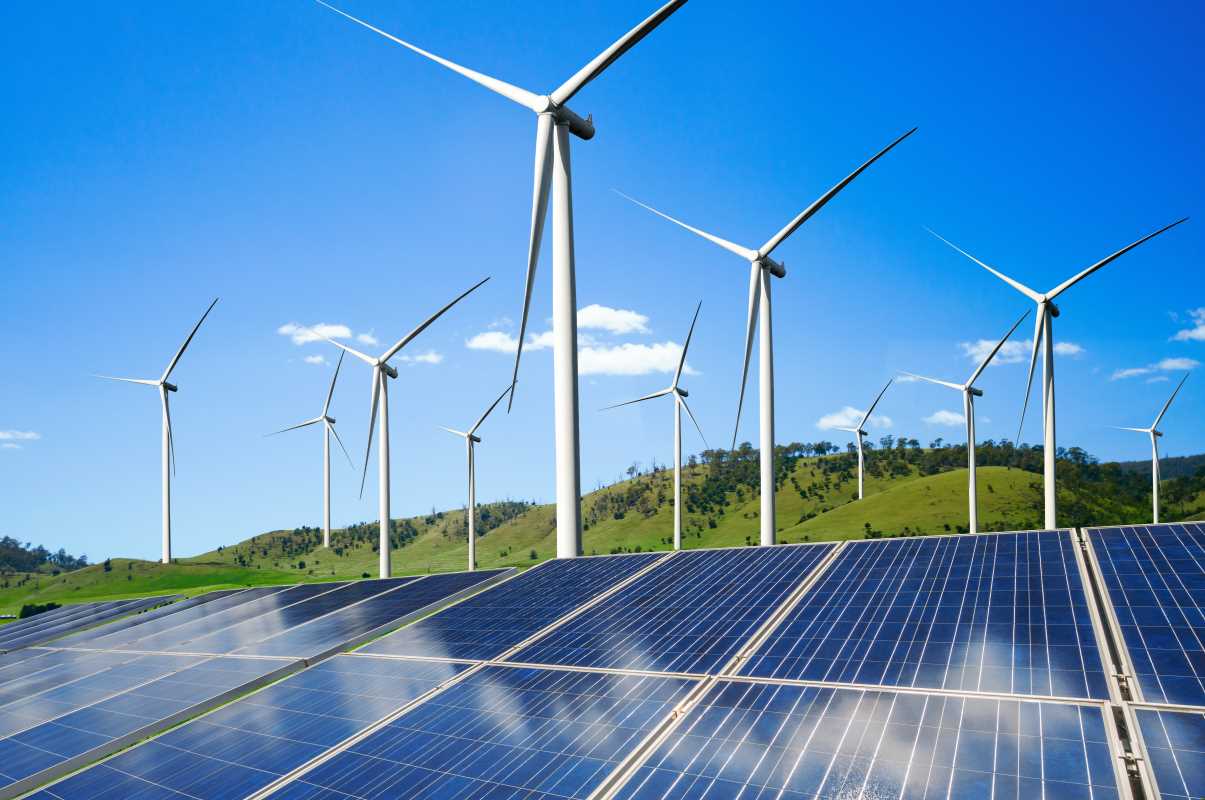
Electric vehicles are becoming more common, and each one needs a spot to recharge. More homeowners and businesses are choosing to put solar panels on their rooftops to be more environmentally friendly. People with technical know-how are needed to set up, look after, and fix these advanced energy systems. By learning these skills, you can play a key part in the move toward cleaner, greener power sources.
Smart Homes
Modern homes rely on tech for everything; lighting, security, and temperature controls, all managed through a person’s phone or tablet. Professionals who understand the wiring behind these smart systems are extremely sought after. This career calls for strong troubleshooting skills and an eagerness to keep up with new apps and gadgets, making your expertise invaluable to both families and businesses looking to upgrade their living or working spaces.
2. HVAC-R Technicians: Masters of Climate Control
Heating, ventilation, and cooling technicians have always played a vital role in keeping homes and businesses comfortable. No one wants to shiver in the cold or swelter in the heat. These days, the focus on saving energy makes this line of work more valuable than ever before. New systems use advanced technology and eco-friendly designs, pushing this profession into the spotlight as buildings everywhere strive to stay efficient and healthy.
Eco-Friendly Systems
Climate control needs are shifting as both laws and customers push for systems that use less energy and reduce environmental impact. Traditional equipment is making way for advanced options like heat pumps and geothermal setups. To work with these, it’s helpful to understand how heat moves and what current environmental standards require, ensuring everything runs as efficiently as possible.
Air Quality Focus
More people are paying attention to the quality of the air around them. Places like hospitals, schools, and office buildings now spend more on advanced filtration to keep everyone safe and healthy. Technicians with expertise in improving indoor air have an edge in this changing environment. Comfortable spaces with clean, healthy air will always be in demand, no matter what’s happening in the economy.
3. Industrial Machinery Mechanics: The Automation Fixers
You might hear people worry that robotics will take away all future employment. That concern exists in some industries, but for technical trades, automation is actually increasing opportunities. Industrial machinery mechanics are the go-to experts who keep automated equipment, robotics, and advanced factory systems operating efficiently.
Keeping Factories Moving
Production floors in 2025 are more advanced than ever. Teams use machines with conveyor belts, robotics, and precise computer-guided tools to assemble products ranging from electronics to cars. All of this complex equipment needs regular care and quick fixes to keep things running. Someone who understands how these systems work, can figure out what’s wrong, and perform the right repair becomes essential to daily operations.
A Mix of Mechanical and Digital
Curiosity and problem-solving go a long way in this field. You’ll need to understand parts like gears and hydraulics, but you’ll also learn how to read blueprints and use modern diagnostic devices. Thanks to the renewed interest in local manufacturing, these workplaces can’t run smoothly for long without knowledgeable mechanics ready to tackle anything that comes their way.
4. Medical Equipment Repairers: Tech Support for Saving Lives
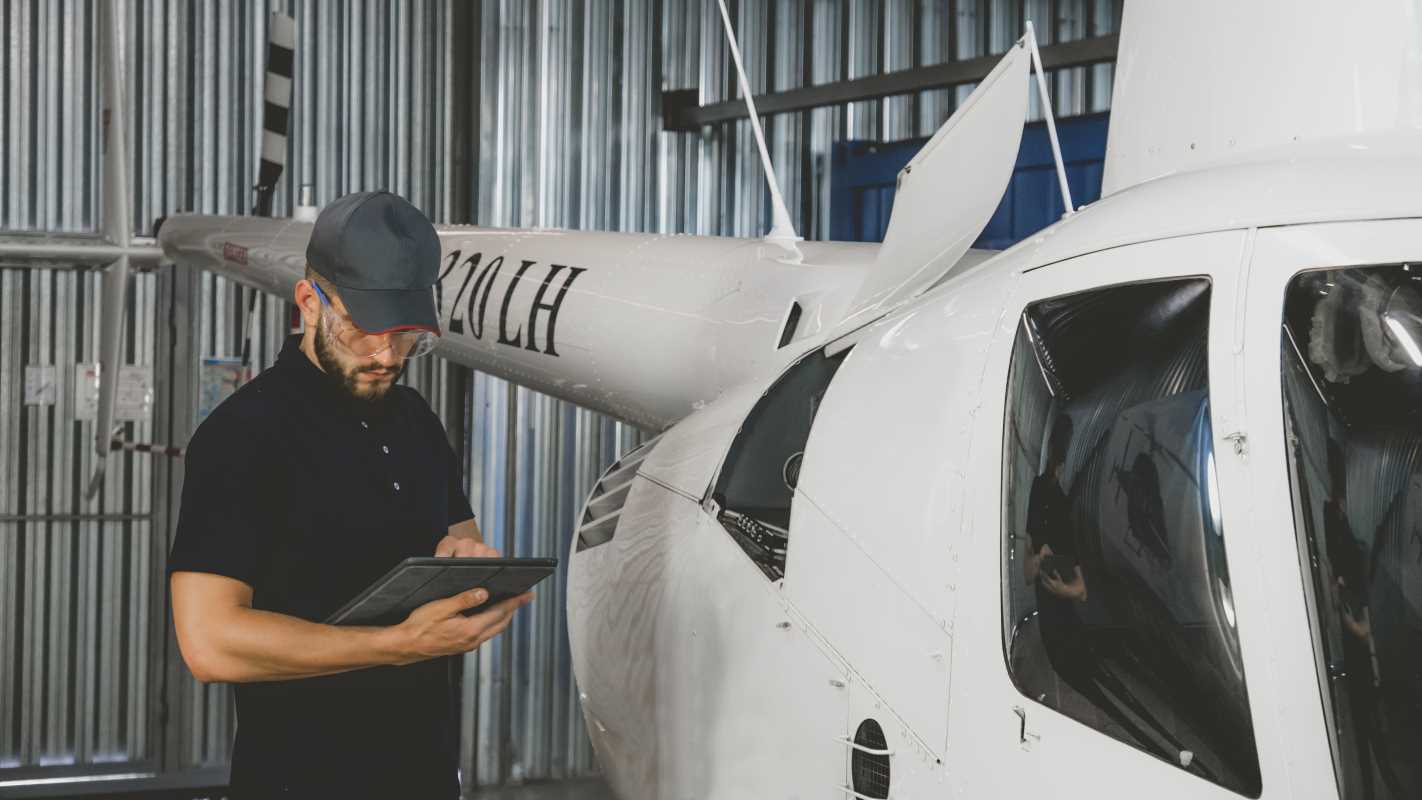
The world of healthcare offers some of the most steady and reliable jobs you can find. People will always rely on doctors and hospitals for care, but keeping all the high-tech tools in working order requires a special set of skills. As hospitals and clinics use more advanced machines for patient care, there’s a greater need for those who know how to maintain, calibrate, and repair them. This path blends technology with crucial, hands-on problem-solving, and the demand for it continues to grow every year.
Beyond the Stethoscope
Hospitals depend on equipment like MRIs, CAT scanners, dialysis machines, and heart monitors every day. These are complex, high-value devices that must function flawlessly. Experts in this field (often called biomedical equipment technicians) work behind the scenes to keep everything reliable and precise. Their job is to check, fix, and calibrate these machines so that patients receive accurate care and medical teams can trust their tools.
High Stakes, High Reward
A broken imaging device can set back an important test or treatment, highlighting the crucial nature of this work. Most tasks take place in quiet, well-controlled settings such as hospitals and specialized clinics. Each day brings new challenges, like carefully adjusting equipment or solving tricky electronics problems. The need for these abilities continues to rise as communities grow older and rely more on healthcare technology, making this career one of the most dependable and future-proof options available.
5. Welders: Building the Future Infrastructure
Welding might seem like a trade rooted in the past, but it stands at the forefront of today’s building and manufacturing world. The country is investing heavily in modernizing roads, bridges, and public structures, and skilled welders are essential to making these upgrades happen. Their expertise ensures that everything fits together safely and securely, shaping the future of our infrastructure piece by piece.
Infrastructure Projects
Across the nation, upgrades and repairs to roads, bridges, and tunnels are happening on a massive scale. Each structural joint, metal beam, and support column relies on careful joining techniques to remain solid and secure. Knowing how to work with metal in a variety of conditions leads to ongoing projects and reliable demand far into the future. This steady stream of work keeps skilled professionals busy and ensures stable career options for years ahead.
Specialized Industries
Work in metal joining goes beyond ordinary building projects. Aerospace and car manufacturers rely on experts who know how to handle unique metals and lighter materials. Crafting airplanes, rockets, and new models of vehicles calls for steady nerves and a thorough grasp of different metal types. Those with advanced techniques, like TIG (Tungsten Inert Gas) welding, often end up in top roles with impressive pay and outstanding perks.
Why These Jobs Are Safe From AI
Artificial Intelligence makes headlines for changing many industries, and some worry about machines taking over their careers. The hands-on roles just described, however, stand apart from this shift and are mostly shielded from automation.
The Need for Human Hands
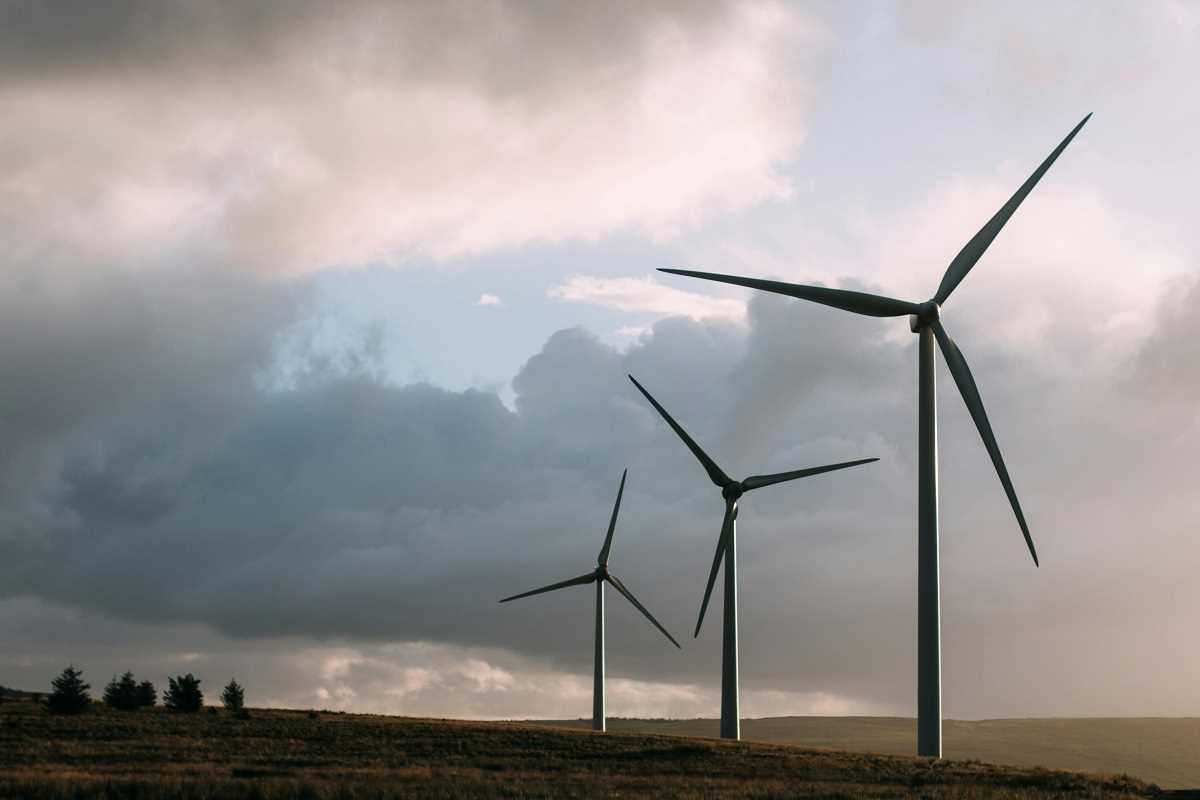
AI has made it easier to handle tasks like writing emails or crunching numbers, but it just can't crawl under a house to fix wiring or make urgent repairs in remote locations. Taking apart a tricky machine or climbing up a wind turbine demands quick thinking and skilled hands, not just computer code. Each project site brings a new puzzle to solve, and every repair is unique. Machines have a hard time dealing with unexpected real-world problems, which is why these hands-on careers are still best handled by people who thrive in unpredictable situations.
How to Get Started
Getting started in these careers usually takes less time and money than pursuing a traditional four-year degree.
- Trade Schools: Many community colleges and vocational schools offer two-year programs. You get hands-on training and graduate with specific certifications that employers trust.
- Apprenticeships: This is often called "earning while you learn." You work under a master tradesperson, getting paid to learn the ropes. After a few years, you become a fully qualified journeyman.
- Certifications: Specific industries require licenses. Research the requirements in your state. For example, HVAC technicians often need EPA certification to handle refrigerants.
Picking your future path is a big responsibility, and skilled trades offer a solid option for 2025 and beyond. The need for hands-on experts is climbing, and roles like those highlighted here are valued for both their pay and the chance to put creative problem-solving to work. Taking care of repairs, upgrades, and everyday tasks keeps entire communities moving. Your abilities can provide peace of mind and real impact, since these essential jobs keep life running smoothly. Think about learning one of these crafts. You might find a rewarding journey that stands strong against change and uncertainty. Your future self could be proud of the difference you make every single day.